

Food Processing Residuals in Pennsylvania: What Farms Need to Know
If your operation is considering accepting FPR, or if you’re already accepting it and want to make sure you’re on solid ground, a few things need to be in place.
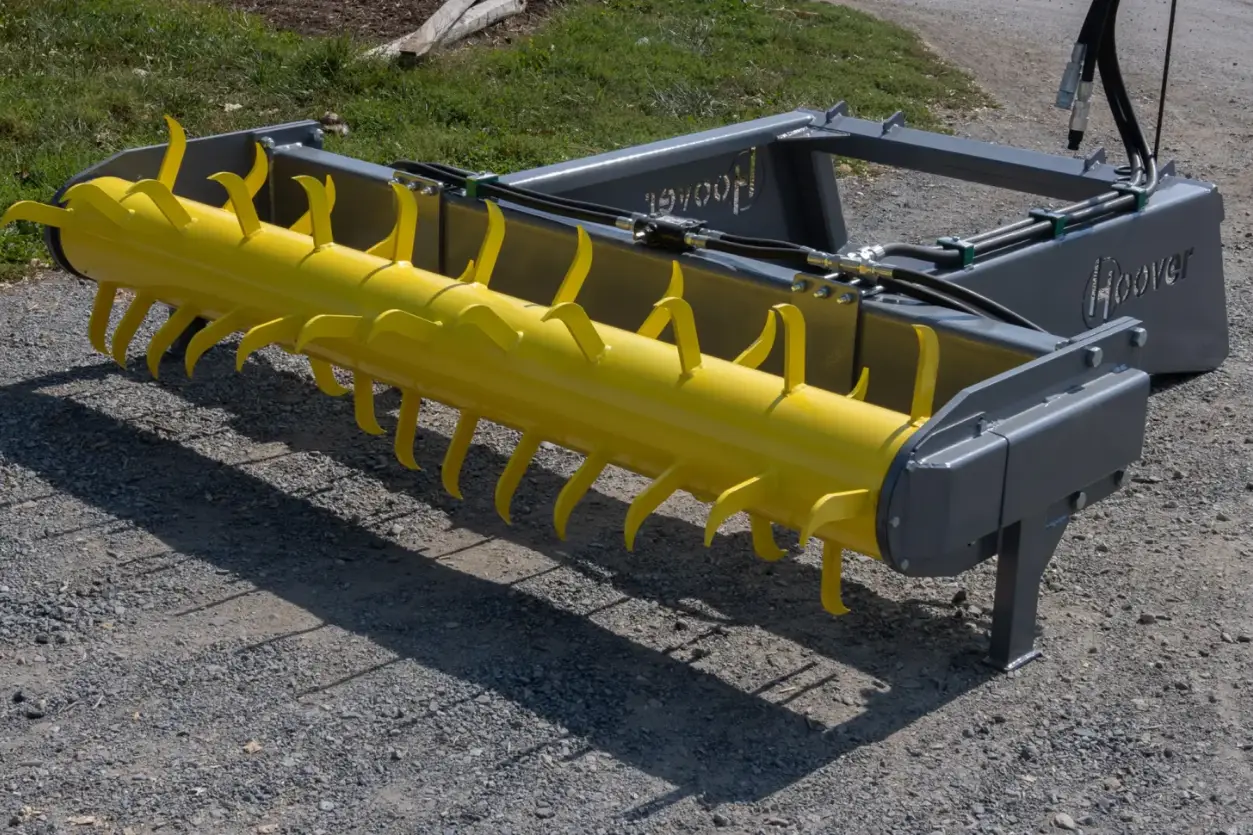
Every dairy that uses a bunker or drive-over pile has to move silage from the pile to the mixer, and for most of them, that job has always been done with a loader bucket or a grapple. It works. The feed gets to the bunk, the cows eat, milk goes in the tank. If bucketing were causing an obvious problem, you’d have switched already.
The question isn’t whether the bucket moves silage. It’s what happens to the face while it’s doing that. And the answer is that a bucket damages the face in ways that quietly cost you feed quality, refusal rate, and eventually milk. That damage is worse in hot weather, but it happens year-round.
Here’s what changes when you swap the bucket for a silage facer, and how to figure out whether the switch is worth it on your operation.
A loader bucket engages the pile by digging. The teeth pry silage loose in chunks. Whatever you don’t scoop cleanly falls back onto the floor or hangs in a ragged edge. What’s left behind is a face full of fractures, tears, and loose material.
The pile you built through packing is not a stack of loose silage. It’s a compacted, oxygen-limited environment where fermentation happens because the microbes doing the work don’t have air. Density is what makes silage work. When you pull chunks with a bucket, you break that density. Cracks and pockets open behind the face. Loose material sits exposed. Air moves in.
Every time you feed, you set the face up for what happens over the next 24 hours. If the face is smooth and tight, oxygen stays out and the silage behind the face stays cool. If the face is torn up, oxygen goes deep, and the silage behind the facestarts to spoil while you’re not looking.
Once oxygen gets into a fractured face, the sequence is predictable.
Heating. Aerobic microbes wake up and start metabolizing the sugars and lactic acid that make silage silage. That process generates heat. In warm weather, a compromised face can be visibly hot to the touch within a day or two.
Mold. Heat plus oxygen plus moisture is where mold thrives. Once you see mold at the face, there’s more you can’t see behind it. Some molds also produce mycotoxins that hurt cow health before you see any obvious spoilage.
Refusal and sorting. Cows are better than we are at knowing which forage isn’t right. Heated or moldy silage gets sorted, refused, or reduces total intake. Intake drops mean milk drops.
Feed inconsistency. Even before spoilage sets in, bucketed silage is uneven. One scoop is drier top-of-pile material, the next is wetter middle-of-pile. The mixer smooths some of that out, but not all. Ration consistency suffers.
Silage you paid for that doesn’t turn into milk. This is the one that hurts. You spent the time and money to properly pack, seal, and manage that pile. Every ton lost to heating and refusal is a ton you can’t feed.
Hoover Ag’s own read on this matches what nutritionists see: hot-weather silage molding is the single biggest reason dairies switch from bucketing to a silage facer.
A rotary silage facer works from the top down, not the bottom up. Instead of digging into the pile, a rotating drum shaves a uniform layer off the vertical face. The teeth cut cleanly through the silage rather than tearing it loose. What comes off is a controlled, consistent amount of feed. What’s left behind is a smooth face with the pack intact.
Two things change immediately when you switch from bucket to facer.
The face stays tight. No fractures. No loose pockets. Oxygen doesn’t penetrate behind the face the way it does after a bucket engagement. That means the pile behind the face stays cool and stable between feedings.
You take exactly what you need. A facer lets you shave a controlled layer off the face. If you’re feeding 300 head, you take a 300-head layer. You don’t have to pull an extra chunk that then sits exposed until the next feeding.
The result is a face that looks and behaves the way silage nutritionists want it to. Smooth, tight, cool, and gone within a day or two after it’s exposed. That’s the environment where the silage you built stays the silage you feed.
Yes. Some manufacturers say facer, some say defacer, some say bunker facer. Same machine, same job. Terminology varies by region and manufacturer.
The reason silage facers exist is that dairy operators started measuring what a compromised face was actually costing them.
Consistent rations start with consistent feed at the face. If the mixer is getting an even layer of silage every load, the ration going to the bunk is closer to what the nutritionist designed. If the mixer is getting bucket-scooped chunks that vary in density, moisture, and temperature, the ration in the bunk is a moving target no matter how good the recipe is.
Cows react to consistency. Stable rations produce stable rumen function, stable dry matter intake, and stable milk output. Every jump in ration variability shows up somewhere downstream, whether it’s a milk drop, a butterfat swing, or an uptick in health issues.
Feed waste drops for the same reason. When silage doesn’t heat up between feedings, it doesn’t get refused or sorted at the bunk. More of what you built into the pile actually gets eaten and turned into milk.
There’s a safety angle that doesn’t get talked about enough. A bunker face with heavy fractures and overhangs is a collapse risk. Silage weighs a lot. When a bucket engagement leaves an unstable face, gravity is doing math the operator can’t always see, and the failure mode is somebody working near the face when it comes down.
A facer leaves a smooth, stabilized face without overhangs. The pile is safer to work around, especially if you have employees walking near the face for any reason.
Not every operation needs a silage facer. If you’re a smaller operation with a high feedout rate, a well-managed bunker, and no history of heating or refusal problems, the bucket may be doing enough. The upgrade case gets stronger the bigger your pile is, the warmer your climate is, and the higher the value of the milk you’re producing.
The clearest signals that it’s time to switch:
If none of that is happening, the bucket is probably fine for now. If any of it is, the payback math on a facer starts to move.
If you’ve decided to upgrade, a few things to think through.
The rotating drum is the whole point of the machine. You want a drum that shaves a controlled layer without fracturing the face behind it. Different manufacturers use different tooth patterns and drum geometries. The Hoover Ag 84SL silage facer uses a rotating drum that removes silage in controlled increments, which is what keeps the face smooth.
Older facers used chains and sprockets to drive the drum. Chains work until they don’t, and when they don’t, you have downtime at feeding time. Newer facers use hydraulic direct drive. Fewer moving parts, no chains to tension, no sprockets to wear out. Hoover Ag’s original design was chain-driven and got redesigned around hydraulic direct drive specifically because chain maintenance was the biggest complaint.
Facers mount on skid loaders, payloaders, telehandlers, or bucket mounts. The right one depends on what’s already in your yard. Hoover Ag supports quick-attach styles from Cat, Gehl, JCB, John Deere, JLG, Bobcat, New Holland, Manitou, Lull, and Gradall, which covers most of what a dairy is likely to have.
One thing worth knowing: payloader-mounted facers are built heavier than skid loader models because payloaders swing as they steer, which puts side stress on the machine when it’s engaging the bunker wall. If you’re running a payloader, ask for the payloader-spec model. It’s a real difference in build.
If you’re currently bucketing and losing feed to heating, mold, refusal, or ration inconsistency, the payback on a rotary facer usually shows up in your milk check faster than you’d think. Cutting waste alone tends to be a significant share of the payback, and the ration consistency and cow health effects compound on top of that.
If you want to talk through whether a facer fits your operation, take a look at the 84SL silage facer or the rest of the farm equipment lineup. Call us at (610) 468-9666 or get in touch and we’ll walk through your setup.
If your operation is considering accepting FPR, or if you’re already accepting it and want to make sure you’re on solid ground, a few things need to be in place.

For the pumping and application side of a lagoon cleanout, most of the Hoover Ag manure equipment lineup applies.

Biosolids land application follows a chain of custody and compliance that starts at the wastewater treatment plant and ends at the field.